About Us
Our Story: From Vision to Grassroots Action
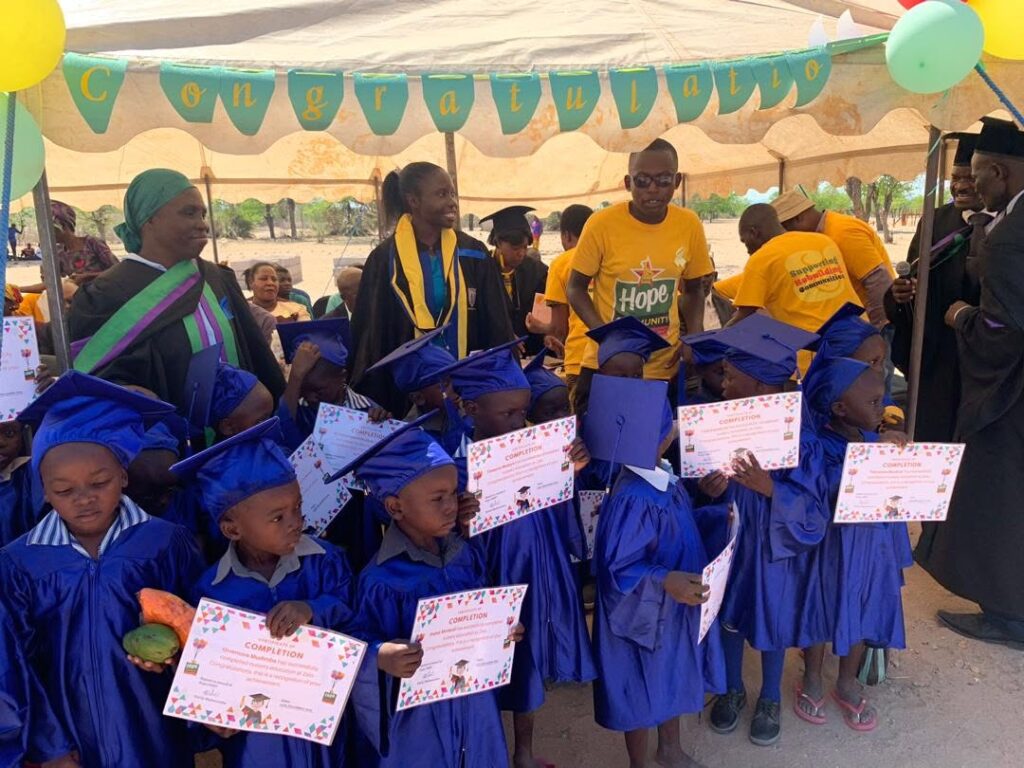
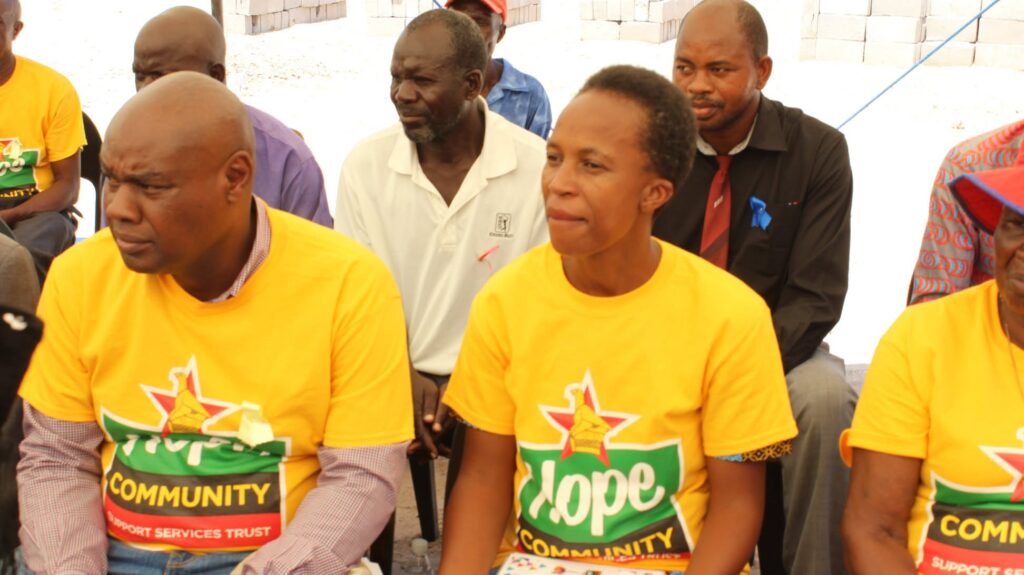
Hope Community Support Services Organisation (HoCoSSO) was born from a profound personal commitment to giving back. Founded by Emily Madamombe a qualified teacher and social worker with extensive experience in health and social care management in the United Kingdom alongside Taruvinga Sibanda, the organisation reflects a lifelong dedication to uplifting disadvantaged populations.
Following a landmark 2017 field visit to the Binga District, the founders witnessed firsthand the severe developmental challenges and deprivation experienced by the local community, leading to the establishment of the Trust in 2018 and formal PVO registration in 2020
Understanding Binga: History, Resilience, and Challenges
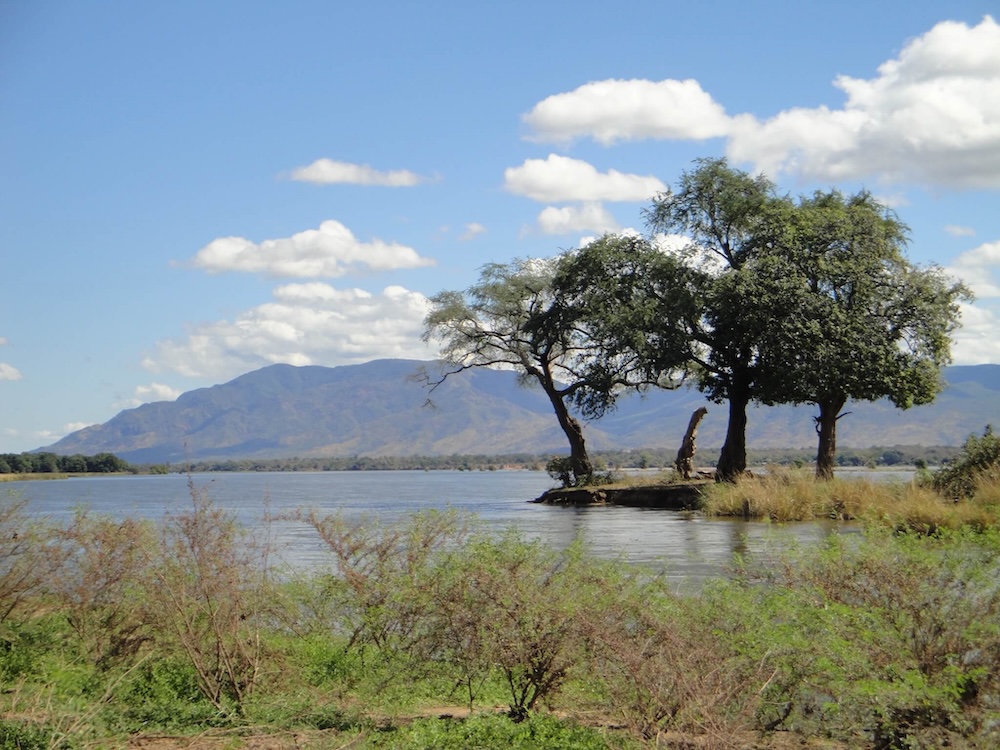
The Binga District is home predominantly to the Tonga community, one of Zimbabwe’s most historically marginalized populations. In the 1950s, the community was forcibly relocated from the Zambezi Valley to give way for the construction of Lake Kariba currently the largest man-made lake in Africa.
Despite bearing the immense sacrifice of displacement, local residents have reaped minimal benefits from the lake. Today, communities along the Zambezi escarpment face severe structural hurdles, including drought induced by erratic rainfall, rocky terrain, inadequate healthcare access, long walking distances to schools, makeshift boarding facilities for young girls, and high morbidity rates stemming from compromised water, sanitation, and hygiene (WASH) standards.
Unlocking Untapped Potential Through Sports
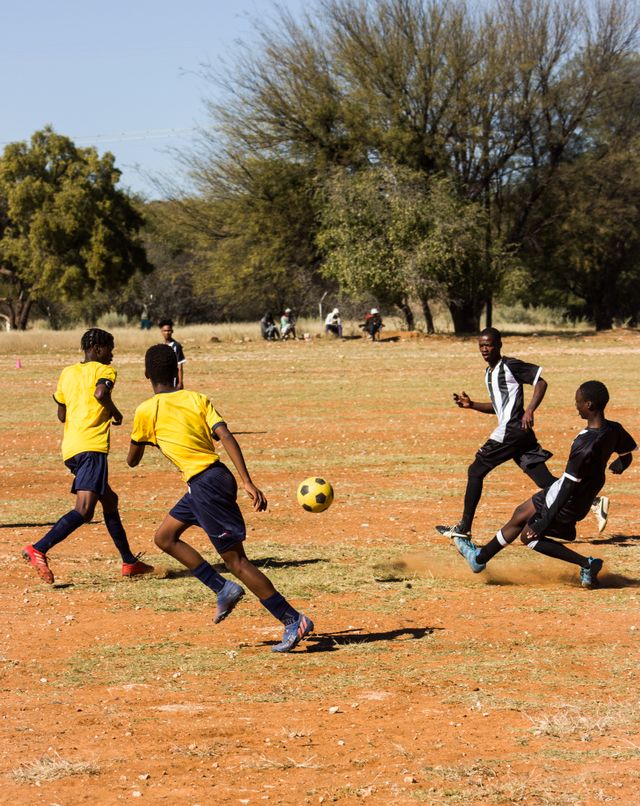
In Binga and across Zimbabwe, football is a powerful cultural anchor and unifying force for the youth, despite severe resource limitations. The Tonga community possesses extraordinary, untapped athletic talent.
This is historically evidenced by pioneering sports figures such as Peter Ndlovu the first African soccer player to play in the English Premier League (Coventry FC and Huddersfield FC) who hails from this region, as well as modern stars like Marvelous Nakamba from neighboring Hwange District. HoCoSSO proudly supports local initiatives such as Binga Pirates F.C. to channel youth energy into positive, structured sporting opportunities.
Addressing Sanitation, Health, and Climate Vulnerability
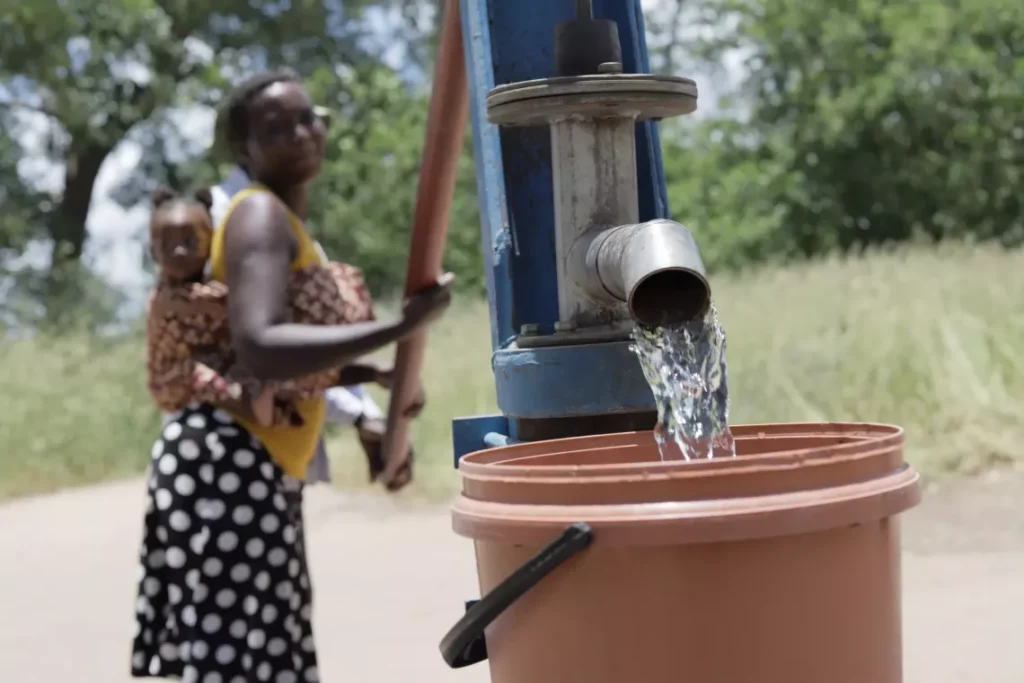
Beyond historical displacement, the Binga District contends with acute environmental and public health pressures. Erratic rainfall patterns and poor soils across the rocky Zambezi escarpment cause recurrent droughts that undermine agricultural livelihoods and food security.
At the same time, inadequate water supply, sanitation, and hygiene (WASH) infrastructure contribute to high rates of waterborne morbidity and health challenges. HoCoSSO integrates climate resilience and public health into its core mission, partnering with local communities to improve sanitation standards, promote hygiene education, and build adaptive capacity against climate shocks.
Our Threefold Mandate for Sustainable Impact
Guided by the Ministry of Public Service, Labour and Social Welfare (Department of Social Welfare), HoCoSSO operates under a clear statutory mandate designed to achieve long-term socio-economic transformation.
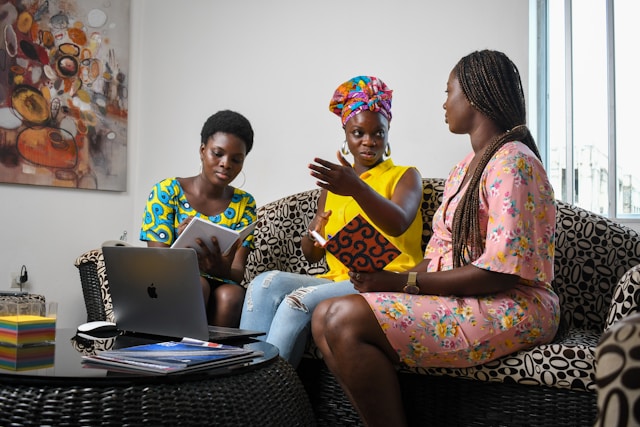
The organisation focuses on empowering marginalized communities socially and economically through sports promotion and vocational income-generating activities such as welding, building, and fishing. Furthermore, HoCoSSO provides critical educational support to vulnerable children via school fees payment and learning materials, alongside championing economic projects for rural women through sewing, knitting, agricultural value addition, and market access.
The Principles That Guide Our Work
Our organisational ethos is anchored in rigorous ethical standards and deep-seated community respect. Each value defines our commitment to transparent service delivery and lasting community partnership as outlined below.